
A strong outdoor space starts with a clear plan. It does not begin when construction starts. Instead, it begins with understanding how the property works and how people use it. It also requires a close look at grading, drainage, circulation, and long-term function. At Crossing Construction, we plan every project as one connected process. That approach helps us create outdoor spaces that look balanced and work well every day
Scope of Services
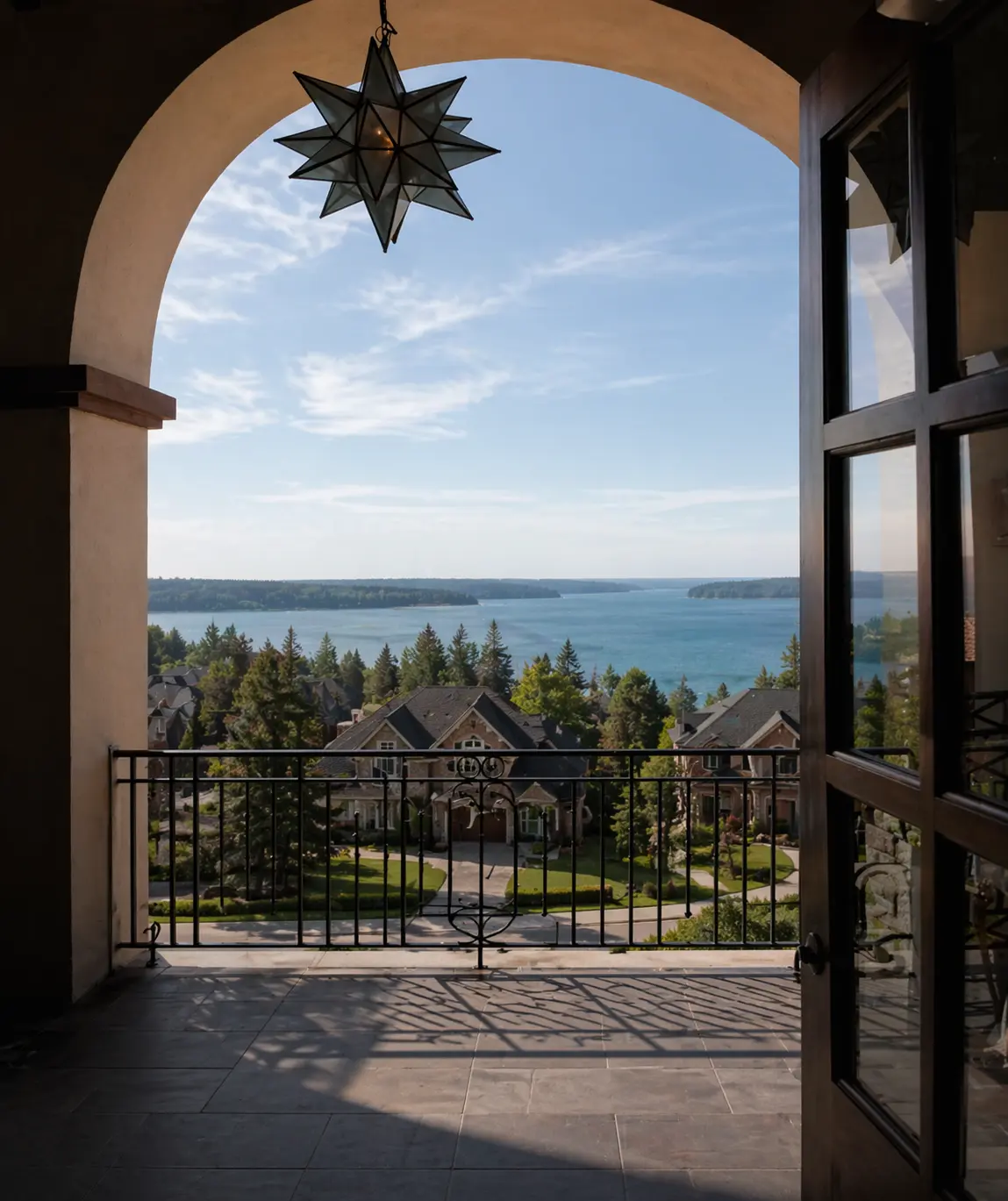
Consultation and Concept Planning
Every project starts with consultation and concept planning. First, we review the property and the site conditions. Next, we learn more about the client’s goals, budget, and daily needs. This stage helps us build a layout that feels practical and visually organized.
We also study how each feature should connect. Patios, walkways, steps, retaining walls, planting beds, and lighting should not feel separate. Instead, they should work together as one outdoor design. Because of this, the finished space feels more natural and more complete.
In addition, this stage helps guide key decisions early. We review materials, maintenance needs, durability, and long-term use. As a result, the construction phase becomes more efficient and more predictable.
Consultation and Concept Planning
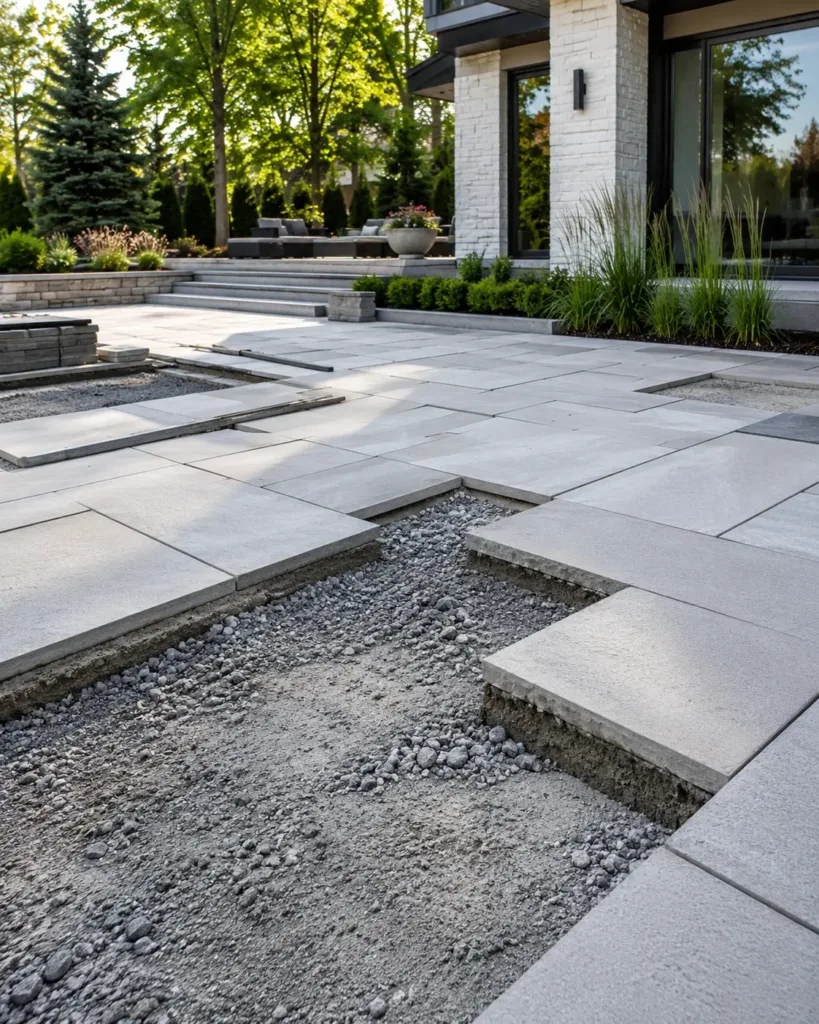
Good hardscaping depends on strong groundwork. Before we install any finished surface, we prepare the site with care. This step often includes clearing, excavation, grading, and base preparation.
Proper preparation matters because it protects the project over time. Without a strong base, patios and walkways may shift. Retaining walls may also lose stability. In addition, poor grading can lead to drainage problems and surface failure.
For that reason, we pay close attention to water flow, stability, and site usability. A well-prepared site supports the full project and helps every feature perform better.
Site Preparation and Foundation Work
Strong outdoor construction depends heavily on what happens before the finished surface is visible. For this reason, site preparation is one of the most important parts of any hardscape or landscape project.
Proper clearing, excavation, grading, and base preparation create the conditions needed for long-lasting results. A patio, walkway, or retaining wall can only perform well if the underlying structure is properly prepared. Without that foundation, surfaces may shift, settle, drain poorly, or lose structural integrity over time.
At Crossing Construction, site preparation is carried out with close attention to grading and water management. We prepare the site to support drainage, structural stability, and usability, helping protect the finished project from common issues caused by improper subsurface work. This stage is essential not only for durability, but also for the long-term functionality of the entire outdoor space.
Patios, Walkways, and Driveway Features
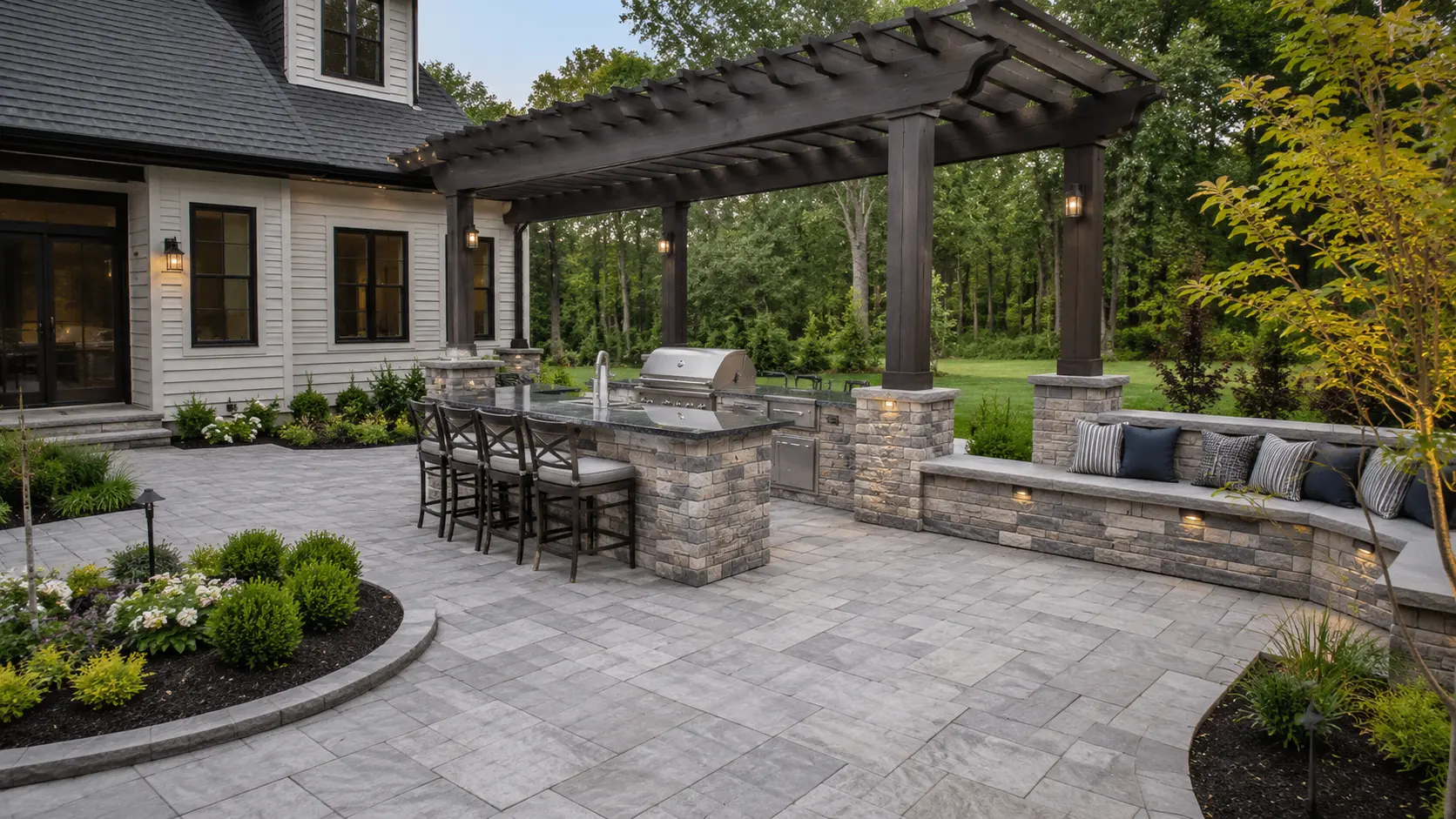
Patios, walkways, and driveways shape the way people move through a property. They also define how outdoor space is used. A patio can create room for dining, seating, or everyday gathering. Walkways improve access and guide movement. Driveways add function while supporting the overall look of the home.
We plan these surfaces to fit the layout of the property. Therefore, they do more than fill space. They help create order, comfort, and design continuity. We also consider steps, edging, and transitions so the full layout feels safe and connected.
In some projects, we add built-in seating, raised planters, or other hardscape details. These elements help complete the outdoor space and make it feel more useful and more refined.
Retaining Walls and Structural Support
Retaining walls do important structural work. They help manage grade changes, support sloped areas, and make more of the land usable. However, they also affect the look and flow of the full landscape.
When we design retaining walls, we focus on both strength and appearance. A well-built wall can define planting areas, create terraces, and support nearby patios or stairs. It can also make the property feel cleaner and better organized.
Because of this, we do not treat retaining walls as isolated utility features. Instead, we design them as part of the larger outdoor plan.
Planting Layout and Softscape Coordination
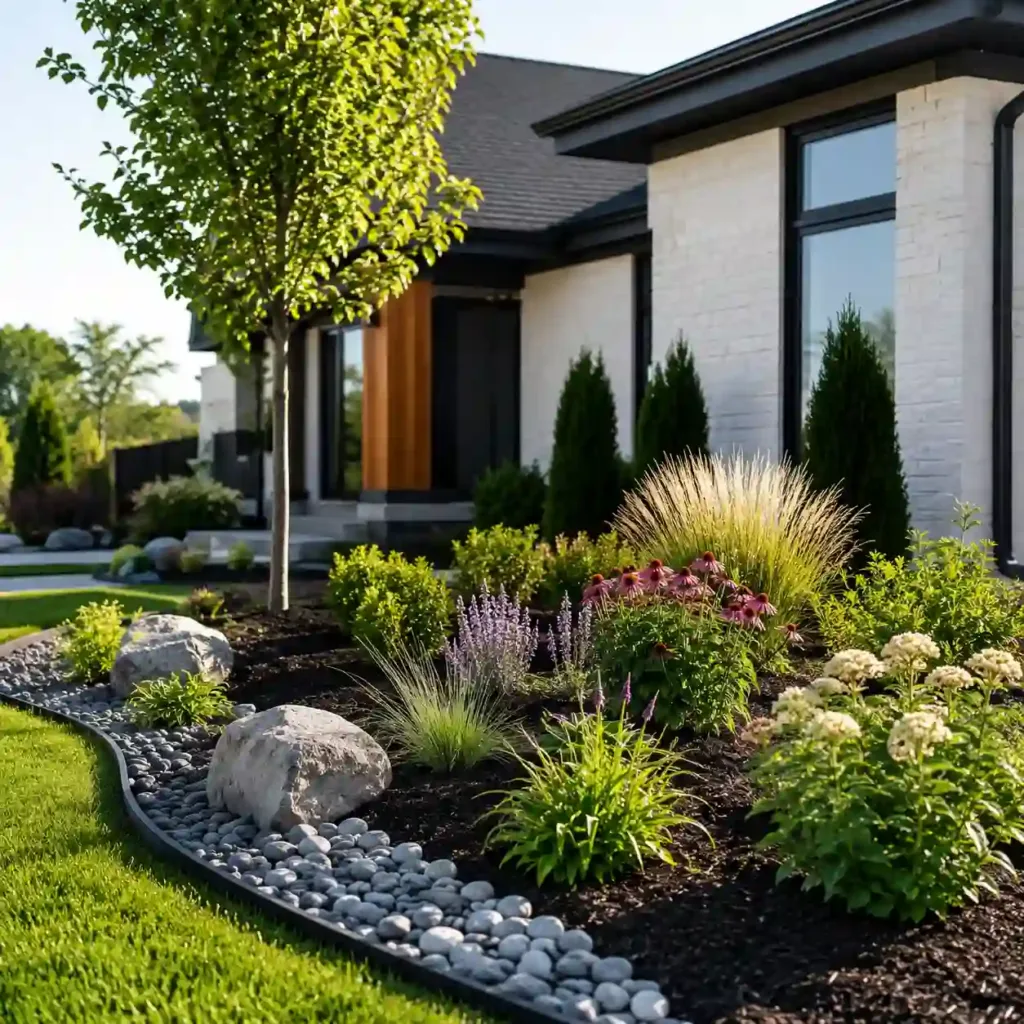
Hardscaping provides structure, but planting adds balance and texture. It softens edges, frames features, and brings more life to the space. For this reason, softscape coordination plays an important role in the full design.
We consider how planting beds, shrubs, grasses, and other landscape elements work with patios, walls, and walkways. Good placement improves rhythm and helps the property feel more natural. It can also create seasonal interest without making the space feel crowded.
At the same time, we plan planting with long-term growth and maintenance in mind. This helps the landscape look intentional from the start and stay easier to manage over time.
Landscape Lighting and Feature Illumination
Lighting adds another layer to outdoor design. It improves visibility at night and helps people use the space more safely. In addition, it brings attention to key features across the property.
We use lighting to support walkways, steps, patios, planting beds, and focal points. As a result, the landscape feels more welcoming after dark. Accent lighting can also add depth and strengthen the overall look of the design.
Most importantly, we plan lighting as part of the full layout. We do not treat it as a last-minute extra. That approach creates a cleaner and more useful result.
Material Selection and Long-Term Value
Material choice affects both appearance and performance. The right materials should match the style of the home, but they must also hold up well over time. Therefore, we guide material decisions with both design and durability in mind.
Depending on the project, this may include natural stone, pavers, slabs, wall systems, edging products, and related finishes. We review maintenance needs, climate conditions, drainage, and wear before making final recommendations.
This process helps clients choose materials that look strong and stay reliable. In the long run, that supports both value and long-term usability.
Why Process Matters
A well-built outdoor space depends on planning, coordination, and careful execution. Each stage affects the next one. Grading affects drainage. Base work affects stability. Material decisions affect maintenance and appearance.
When all of these parts work together, the final result feels more cohesive. It also lasts longer and performs better. That is why we treat hardscaping as a complete process, not a series of separate tasks.
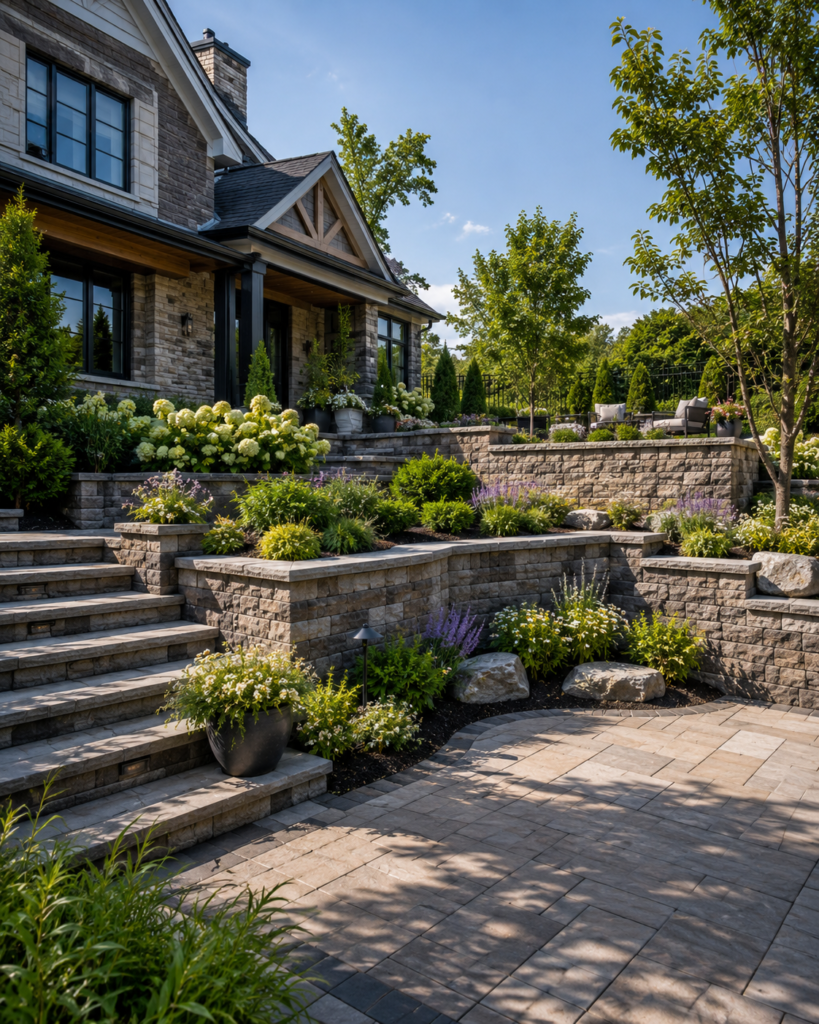
Build an Outdoor Space with Purpose
Whether you want a new patio, better walkways, stronger retaining walls, or a full outdoor redesign, a clear plan makes a real difference.
Crossing Construction provides hardscaping services with a focus on preparation, layout, durability, and long-term function. We build outdoor spaces that feel organized, practical, and naturally connected to the property they serve.